Civil construction in Australia has moved far beyond basic planning and execution. Projects today are driven by precision, coordination, and real-time decision-making. Margins are tighter. Compliance is stricter. And delays are far more expensive than they used to be.
In this environment, land surveying is no longer just an early-stage requirement. It plays an active role from feasibility to final delivery. Whether it is a large infrastructure upgrade in Victoria or a remote development supported by surveyors Alice Springs, accurate data now drives every key decision.
This shift has changed how surveying fits into construction. It is no longer about mapping land. It is about making sure every part of the project aligns with reality.
Land Surveying Is Now Part of the Construction Workflow
In the past, surveying was treated as a one-time activity. The site was measured, plans were created, and construction moved forward. That approach does not hold up in 2026.
Today, surveying feeds directly into project workflows. Data collected on-site connects with design models, contractor coordination, and compliance tracking. Teams rely on this data to stay aligned, especially when multiple stakeholders are involved.
This is why engineering surveying Australia has evolved into a continuous process. Surveyors are now involved throughout the project rather than only at the beginning.
Accuracy Now Has Direct Financial Impact
Construction costs across Australia have increased significantly. Any mistake on-site can quickly turn into a financial problem. Even a small misalignment can lead to delays, rework, or compliance issues. These are not minor setbacks. They can affect timelines, contracts, and overall project viability.
This is where surveying proves its value. Accurate measurements remove uncertainty and reduce the chances of errors. In regions like Alice Springs, where logistics are already challenging, experienced surveyors Alice Springs help avoid costly corrections by getting it right the first time.
Turning Site Data Into Practical Design Decisions
One of the biggest challenges in civil construction is translating design into reality. Plans often look perfect on paper, but site conditions can tell a different story. Modern surveying helps close this gap.
Using updated engineering survey Alice Springs practices, surveyors provide precise data that allows engineers to adjust designs before construction begins. This reduces the risk of unexpected issues once work is underway. Instead of reacting to problems, teams can prevent them.
Supporting Digital Construction and Smarter Coordination
Construction is becoming more connected. Tools like BIM and digital models are now standard on many projects. Surveying plays a key role in this shift by supplying accurate data that feeds into these systems. When site measurements are updated, digital models can reflect those changes quickly.
This improves coordination across teams. Engineers, contractors, and project managers all work from the same information. Miscommunication is reduced, and projects move forward more smoothly. In large developments supported by industrial surveying Victoria, this level of coordination is essential. Multiple systems need to align, and even small inconsistencies can cause delays.
How Surveying Supports Cost Control and Budget Accuracy
Cost control is one of the biggest pressure points in civil construction today. Budgets are tighter, material costs fluctuate, and delays can quickly push projects over budget. This is where land surveying has become more than a technical service. It directly supports financial planning and cost accuracy.
Accurate survey data helps project teams estimate quantities more precisely. This includes earthworks, materials, and site preparation requirements. When these estimates are based on real measurements instead of assumptions, budgets become more reliable. Surveying also helps identify potential cost risks early. For example, unexpected elevation changes or underground constraints can impact excavation costs. When these are detected in advance, teams can adjust plans before work begins.
In large-scale developments, especially those supported by industrial surveying Victoria, even small measurement errors can lead to significant financial impact. Correcting those errors later often costs far more than getting them right at the start. Another important factor is resource planning. When site data is accurate, contractors can plan labour, equipment, and timelines more effectively. This reduces idle time and improves overall efficiency.
In short, surveying helps control costs not by cutting corners, but by removing uncertainty. It allows construction teams to plan with confidence and avoid unnecessary expenses.
Keeping Projects Compliant and On Track
Australia has strict construction regulations, and projects must meet specific standards at every stage. Surveying supports compliance by ensuring that construction follows approved plans. It also provides the documentation required for inspections and approvals.
Without accurate survey data, projects risk failing checks or facing delays. With it, teams can move forward with confidence, knowing that everything is aligned with regulatory requirements.
Reducing Rework and Avoiding Delays
Rework remains one of the most expensive issues in construction. It often happens because of incorrect measurements or poor site understanding. Surveying helps eliminate these risks early.
When layouts are accurate from the beginning, construction teams do not need to make adjustments later. This saves time, reduces costs, and keeps the project on schedule.
It also improves overall efficiency, which is critical in today’s fast-moving construction environment.
Real-Time Monitoring Is Changing How Projects Are Managed
Modern surveying is not limited to static measurements. It now supports real-time tracking of site conditions and progress. Technologies such as drones, GPS systems, and 3D scanning allow surveyors to monitor changes as they happen. This gives project managers better visibility into what is happening on-site.
If something is off, it can be identified early. Adjustments can be made before the issue grows into a larger problem. This level of control is becoming standard in advanced engineering surveying Australia services.
Improving Safety Through Better Data
Safety is a constant concern in civil construction. Surveying contributes by providing accurate information about the site and its conditions.
When teams understand the terrain, ground stability, and structural alignment, they can make safer decisions. This reduces risks during excavation, foundation work, and structural development. Better data leads to better planning, and better planning leads to safer sites.
Managing Remote and Complex Australian Projects
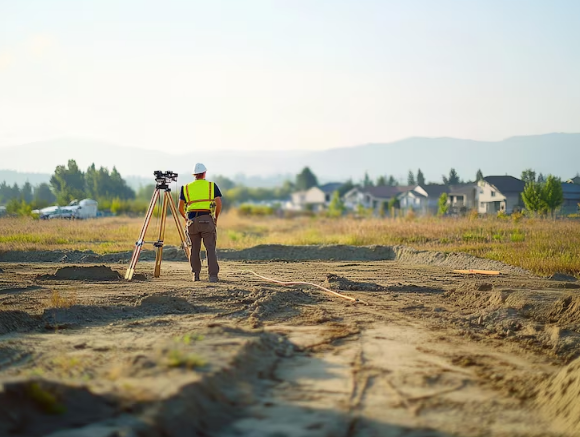
Australia’s geography creates unique challenges. Many projects are located in remote or difficult-to-access areas. Surveying helps manage these conditions through advanced technology and remote data collection. Even in isolated locations, teams can access accurate and reliable information.
This is particularly important for infrastructure and mining-related projects, where precision is required despite environmental challenges.
Ensuring Accuracy at Project Completion
The role of surveying continues until the very end of a project. Final checks confirm that everything has been built according to plan. This includes verifying dimensions, alignment, and compliance with design specifications.
These final surveys are essential for approvals and handover. They provide assurance that the project meets all required standards.
The Role of Technology in 2026 Surveying
Technology has reshaped how surveying is done. Drone mapping allows for quick data collection across large areas. 3D laser scanning provides detailed insights into structures and terrain. GNSS systems improve positioning accuracy, even in challenging environments.
These tools have made surveying faster, more accurate, and more reliable. They also allow surveyors to handle complex projects with greater confidence.
Choosing the Right Surveying Partner
The quality of surveying can directly impact the success of a project. A strong surveying partner brings more than just technical skills. They understand construction workflows, local regulations, and the challenges of working in different environments.
They also use modern tools and communicate clearly with project teams. This ensures that surveying supports the project instead of becoming a bottleneck.
The Future of Land Surveying in Australia
The role of surveying will continue to grow as construction becomes more advanced. Data will play an even bigger role in decision-making. Projects will rely more on real-time insights and integrated systems.
Surveying will not just support construction. It will help shape how projects are planned and delivered from the start.
Conclusion
Land surveying has become a core part of modern civil construction in Australia. It improves accuracy, reduces risk, and supports better coordination across teams. From early planning to final verification, it ensures that projects are built as intended.
Whether it is working with surveyors Alice Springs on remote developments or supporting infrastructure through industrial surveying Victoria, the impact of surveying is clear.
In today’s construction environment, investing in professional land surveying services is not optional. It is essential for delivering projects that are efficient, compliant, and built to last.
FAQs
1. Why is land surveying important in civil construction?
It ensures accurate measurements, reduces risk, and supports efficient project execution.
2. How has land surveying evolved in recent years?
It now integrates with digital tools and supports real-time project monitoring.
3. What is engineering surveying?
It focuses on providing precise data for construction design and layout.
4. Can surveying help reduce project delays?
Yes. Accurate data prevents errors and reduces the need for rework.
5. Is surveying important for remote projects?
It is essential, especially in areas where site conditions are difficult to manage.
6. What technologies are used in modern surveying?
Drones, GPS systems, and 3D scanning are commonly used.
7. How do I choose a surveying company?
Look for experience, technology, and strong knowledge of local regulations.