If you’re working on a construction, property development, or mining project, you always need surveys; the most essential method. Still, many people often get confused between mining survey & land survey. Both involve measuring land, but honestly, they’re not the same thing at all.
Let’s clear things up with a simple explanation of how mining surveys and land surveys differ, and when you need each one in Australia.
What is a Land Survey?
A land survey is the process of measuring and mapping the land surface. It is mainly used for property boundaries, construction planning, and legal documentation.
In Australia, land surveys play a crucial role in defining property boundaries and supporting construction projects, while also helping create subdivision plans and maintain accurate legal ownership records. The most common type is a cadastral survey, which legally defines boundary lines and ensures compliance with strict regulations, and it must be carried out by licensed professionals.
Where Land Surveys Are Used?
Land surveys are everywhere: residential builds, commercial sites, roads, highways and big urban planning projects. This is where civil infrastructure surveying becomes important. It ensures that roads, bridges, and utilities are built in the correct position and alignment.
In cities like Melbourne, surveyors use high-tech tools like GPS and 3D mapping to get it just right.
What is a Mining Survey?
Mining surveys are way more specialised. Instead of just surface mapping, they dig deeper, including underground tunnels and open-cut mines.
Unlike land surveys, mining environments are constantly changing. That’s why mining survey & land survey differ significantly in complexity and purpose.
Mining surveys map tunnels, track excavation progress, monitor ground movement, and calculate exactly how much material has been removed from the ground. In places like Victoria, especially where mining’s booming, these surveys are critical.
Where Do You Need Mining Surveys?
Mining surveys, on the other hand, are critical in the mining industry. Planning new sites, monitoring tunnels and checking excavation all rely on these. For example, mining surveys in Victoria track extracted material, keep everything on plan, and safely spot ground shifts before they become dangerous.
This highlights again why mining survey & land survey are designed for completely different purposes.
Key Differences Between Land Survey and Mining Survey
To clearly understand how mining survey & land survey differ, it helps to look at them side by side. While both involve measurement and mapping, their purposes, environments, and applications are quite different.
The comparison below makes it simple to grasp.
| Feature | Land Survey | Mining Survey |
| Environment | Surface/property | Underground & open-cut |
| Focus | Boundaries, titles, construction | Excavation, safety, production |
| Client | Developers, councils, landowners | Mining companies, resource firms |
| Tools | GNSS, total stations, drones | Robotic stations, 3D laser scanning |
| Regulation | Cadastral laws, titles office | Mining safety regulations |
Survey Environment
Firstly, the working environment is one of the biggest differences between mining survey & land survey. Land surveys are carried out on stable surface areas such as residential plots, commercial sites, and infrastructure corridors.
In contrast, mining surveys operate in highly dynamic environments like underground tunnels and open-cut pits. These areas change frequently due to excavation, which makes ongoing monitoring essential
Survey Objective
The purpose of each survey also sets them apart. Land surveys mainly focus on defining boundaries, confirming ownership, and supporting construction projects. This is especially important in a cadastral survey, where legal accuracy is critical.
On the other hand, mining surveys are focused on operational needs. They help track excavation progress, calculate material volumes, and ensure safe mining activities. This is why they are a key part of industrial surveying in Victoria.
Primary Users
Another clear difference lies in who uses these surveys. Land surveys are commonly required by developers, local councils, and landowners. They are essential for property transactions and building projects.
Mining surveys, however, are used by mining companies and resource firms. These organisations rely on accurate data to manage extraction processes and maintain site safety
Tools and Technology
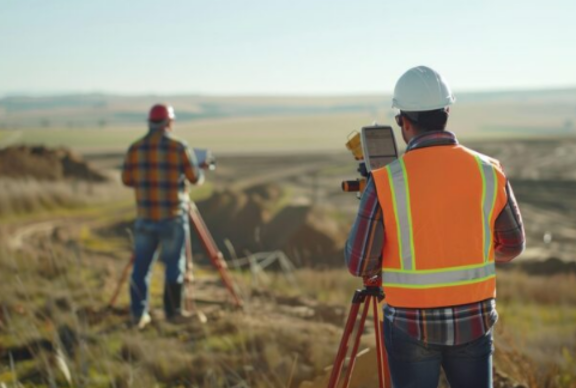
Although both surveys use modern equipment, the level of complexity varies. Land surveyors typically use GNSS systems, total stations, and drones to capture surface data accurately. Many surveyors in Melbourne rely on these tools for efficient project delivery.
In comparison, mining surveyors use more advanced technologies such as robotic total stations and 3D laser scanning. These tools are necessary to handle the challenging conditions found in mining environments and are widely used in civil infrastructure surveying and mining operations alike.
Regulatory Requirements
Finally, regulations differ significantly between the two. Land surveys must comply with cadastral laws and are linked to official title offices. This ensures that property boundaries are legally recognised.
Meanwhile, mining surveys are governed by strict safety and operational regulations. These rules are designed to protect workers and ensure that mining activities are carried out safely and efficiently.
Role of Surveyors in Australia
Surveyors play a vital role across industries. Whether it’s construction or mining, skilled professionals ensure everything is measured accurately.
In urban areas, surveyors in Melbourne are heavily involved in construction and civil infrastructure projects, including roads, railways, and buildings.
On the other hand, mining surveyors are more active in remote and resource-rich regions, contributing to industrial surveying in Victoria and across Australia.
Why Are Both Surveys Important?
Although different, both surveys are equally important.
- Land surveys ensure legal clarity and construction accuracy
- Mining surveys ensure operational safety and efficiency
Without proper surveys, projects can face delays, legal issues, and safety risks. This is why understanding the difference between mining surveying and land surveying is essential before starting any project.
Why Does the Difference Matter?
Understanding the difference between mining surveying and land surveying is not just technical; it directly impacts your project’s success. Choosing the wrong survey type can lead to delays, compliance issues, or even safety risks.
For property and construction projects, a land survey provides legal clarity and accurate positioning. For mining operations, a mining survey ensures safe and efficient extraction.
In both cases, accuracy is everything. That’s why working with experienced professionals is so important.
Choosing the Right Surveying Service
When selecting a surveyor, it’s important to consider their expertise and experience. Not all surveyors handle both types of work.
For example, surveyors in Melbourne often specialise in land development and civil infrastructure surveys. Meanwhile, mining surveyors are trained to work in more complex and hazardous environments.
If your project involves mining or large-scale industrial work, you’ll likely need experts in industrial surveying in Victoria who understand the unique challenges of the sector.
Why Choose 2Survey for Land & Mining Surveys?
If you’re looking for reliable experts in mining survey & land survey, 2Survey is a trusted name across Australia.
Mining Surveying Expertise
2Survey handles everything: underground mine surveying, mine mapping and monitoring, stockpile volumes, and survey control networks using the latest GNSS systems, robotic stations, and drones. That is why we are trusted for industrial surveying in Victoria and beyond.
Land Surveying Excellence
2Survey’s got you covered for boundary and cadastral surveys, construction setout, topographic mapping, and subdivision planning. Our surveyors in Melbourne make sure every project meets strict legal standards.
Trusted Across Australia
2Survey operates across multiple regions, including Victoria, Queensland, and Western Australia. Our expertise in civil infrastructure survey supports construction, development, and large-scale projects.
Final Thoughts
Mining survey & land survey sound similar, but really, they’re worlds apart. Land surveys are mainly for property and construction. Mining surveys address the underground, fast-changing world of mines.
Understanding these differences helps you choose the right service for your needs. For accurate, reliable, and professional surveying services, 2Survey stands out as a dependable partner across Australia!
FAQs
What is the main difference between a mining survey & land survey?
The main difference between mining surveying and land surveying is their purpose and environment. Land surveys focus on property boundaries and construction planning, while mining surveys deal with excavation tracking, underground mapping, and safety in mining operations.
2. When do I need a cadastral survey in Australia?
You need a cadastral survey when buying or selling land, subdividing property, or resolving boundary disputes. It ensures your property boundaries are legally defined and compliant with Australian regulations.
3. Are surveyors in Melbourne qualified for both land and mining surveys?
Many surveyors in Melbourne specialise in land- and construction-related projects, such as subdivisions and civil infrastructure surveying. However, mining surveys usually require additional expertise and are handled by specialists in mining environments.
4. What is civil infrastructure surveying used for?
Civil infrastructure survey is used in the planning and construction of roads, bridges, railways, and utilities. It ensures that all structures are built accurately in accordance with design and engineering specifications.
5. How is industrial surveying in Victoria related to mining surveys?
Industrial surveying in Victoria includes services for large-scale industries such as mining. Mining surveys are a key part of this, helping track excavation, monitor ground movement, and maintain safe operations on mining sites.