When it comes to construction, every project has one goal in common—getting it right the first time. Mistakes in planning or measurement can lead to costly delays, safety hazards, and wasted resources. This is where engineering surveying steps in as the unsung hero of the construction and infrastructure world. Engineering surveying can minimize risks and economies, ensuring projects run smoothly through to the end by utilizing accuracy, high technology, and expert knowledge.
This blog will discuss how engineering surveying is an integral part of any civil or commercial project, why it is so crucial in risk management, and how it actually generates actual financial benefits to the stakeholders.
What Is Engineering Surveying?
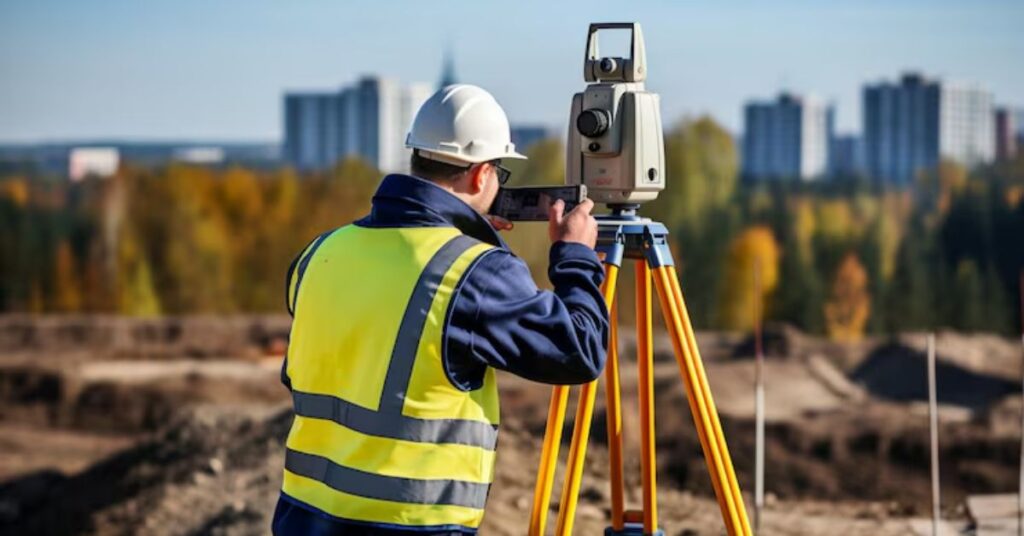
Engineering surveying is the use of surveying methods to aid in the construction and development of Infrastructure. Engineering surveying is concerned with making accurate measurements, data, and mapping of construction projects, unlike general land surveying, which is concerned with property boundaries.
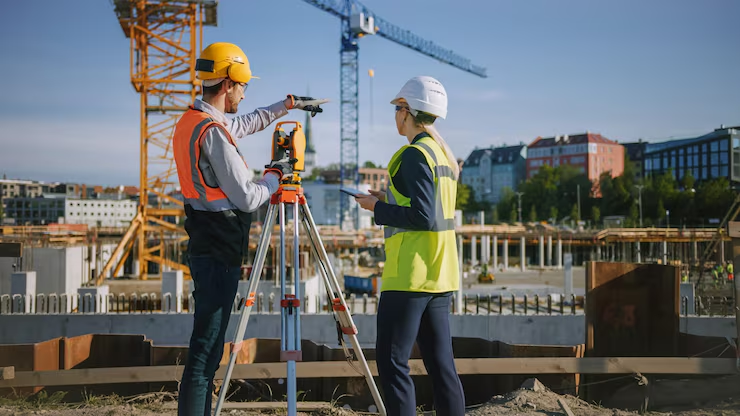
Surveyors, including expert surveyors Melbourne, collaborate with engineers, architects, and contractors to guarantee that:
- The buildings are erected in the correct location.
- Designs are congruent with reality.
- Raises, degrees, and statuses are correct.
Engineering surveying ensures that projects are not subject to structural errors, compliance constraints, and costly rework.
The Importance of Engineering Surveying in Civil Infrastructure.
Civil Infrastructure and similar works, such as roads, bridges, tunnels, and railways, require absolute precision. Any error of calculation might lead to unsafe buildings or cost overrun. That is how the modern development is centered around civil infrastructure surveying.
Surveyors deliver:
- Accurate mapping of the ground before the start of construction.
- Construction supervision and control.
- Post-construction control to guarantee that structures are as per design.
This process enables stakeholders to make informed decisions, thus minimizing risks associated with assumptions or incomplete data.
Minimizing the risk by Engineering Inspected Surveying.
1. Preventing Design Errors
These surveyors can gather precise information regarding the land and the current Infrastructure. Such information ensures that the engineers and architects make designs that are attainable in the real world. Surveying reduces the incidence of design flaws by identifying potential challenges, such as uneven topography or underground utilities.
2. Enhancing Safety
Proper surveying will ensure that constructions are not built in unstable areas or on incorrect alignments. As an illustration, bridge piers should be installed accurately to be structurally sound. Engineering surveying eliminates guesswork and negative consequences for workers and the public.
3. Monitoring in the Construction.
Civil projects are usually subject to change, as ground conditions can shift during construction. These changes are monitored by surveyors who deliver real-time information to allow changes to be implemented before things go wrong. It saves time and money on overworking and other delays.
4. Laws and Ethical Guarantee
Measurement errors may result in a dispute or non-regulation. In engineering surveying, good papers and verifiable information protect project owners from legal difficulties.
The way Engineering Surveying is Cost-Saving
1. Avoiding Costly Rework
Redoing work is one of the largest drains on construction budgets due to mistakes. Engineering surveyors provide the accuracy needed to get things right on the first attempt, thereby saving a significant amount of rework cost.
2. Optimizing Resources
Surveying assists contractors in the efficient planning of earthworks, materials, and manpower. For instance, accurate volume calculations will prevent over-ordering or under-ordering of materials. This means improved management of resources and direct savings.
3. Faster Project Timelines
Construction is money on time. Through accurate data in the process, delays due to misalignment, design conflicts, or incorrect placements are avoided. Surveying also ensures that workflows run smoothly, keeping projects on track with deadlines and budgets.
4. Investing in Long-Term Savings.
The engineering surveying not only reduces expenses in the construction process, but it also underpins the efficiency of the costs in the long term. Accurately constructed projects are safer, require less maintenance, and have a longer lifespan, thereby minimizing future repair and maintenance costs.
The application of technology in Engineering Survey.
The surveying industry has evolved due to improved technology, and its results have become more reliable and cost-saving. At companies like 2Survey
Surveyors use:
- UAVs (drones) and laser scanning for accurate 3D mapping.
- Precise pinpoint control with GPS networks.
- Digital data management systems should have real-time collaboration with engineers and contractors.
- This innovation saves time and reduces risks, while also boosting accuracy, making it faster to conduct surveys.
Civil Infrastructure Survey in the Real World.
Rail and Road Projects
Surveying also ensures that tracks and roads are correctly laid and are not prone to accidents during high-speed commuting.
Bridges and Structures
Surveyors ensure that the foundations and supports are placed with precision and the chances of being unstable are minimized.
Underground Services
Surveying identifies the available utilities, such as the gas, water, or electrical lines. This eliminates the risk of damage caused by accidents, which leads to delays and expensive repairs.
The reason to collaborate with experts.
All surveying is not equal. When you combine with an experienced engineering surveying team such as 2Survey, you are assured that your project receives the expertise, technology, and attention to detail that it deserves. Their team specializes in:
- Engineering Surveying
- Civil Infrastructure Surveying
- UAV / Laser Scanning
- Data Preparation Data Management.
- Monitoring Solutions and Control Networks.
- Locating underground services.
Through a performance-based strategy, 2Survey provides accuracy, worth, and tranquility to each project.
Conclusion: Engineering Surveying the Key to Smarter Projects.
Engineering surveying is not merely a technical process in construction; it is a strategic investment. Surveying forms the basis of smarter, cost-cutting projects by minimizing risks, ensuring project safety, and reducing unnecessary expenses. The gains are undisputed, whether it is a small commercial construction or a mega civil construction.
Professional engineering surveying is something you cannot afford to compromise on to have your project achieve success without the inconveniences of slowed progress, disagreements, or even cash overruns.
Ready to get started? Discover how 2Survey can enhance your current project with accuracy and expertise. Visit 2Survey today.
Frequently Asked Questions
Engineering surveying is the process of measuring, mapping, and checking site data so construction is built in the right place, at the right level, with fewer risks and errors.
It prevents design mistakes, improves safety, monitors site changes, and ensures legal compliance through accurate, real-time data.
Roads, bridges, rail, and tunnels rely on precise measurements to avoid structural issues, delays, and costly rework.
By reducing rework, improving material planning, speeding up timelines, and ensuring accurate builds that require less maintenance later.
Advanced teams use UAV drones, laser scanning, GPS networks, and digital data management systems to deliver faster, safer, and more accurate results.