Mining is one of Australia’s biggest industries, and the backbone of the economy. But what really keeps this industry running smoothly isn’t just machinery or raw muscle. It’s data. And that’s where my surveying steps in, operating as the quiet hero behind the scenes.
Whether it’s planning a new site or tracking daily operations, surveying plays a vital role in keeping everything safe, efficient, and compliant.
Let’s break down mine surveying in simple terms and explain how much it costs in Australia in 2026. Let’s get started-
What Is Mine Surveying?
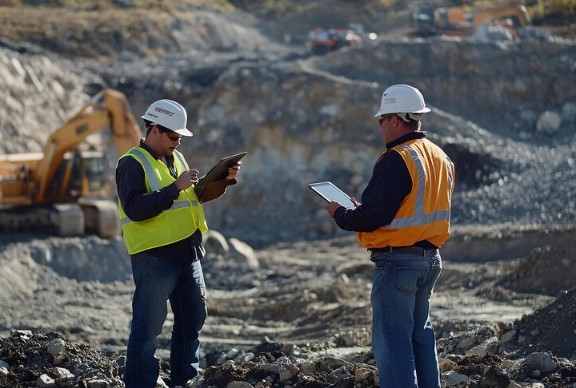
Mine surveying focuses on measuring, mapping, and monitoring mining sites. It helps mining companies figure out the lay of the land, track how much material is being excavated, and ensure everything is built and operated just right.
In simple terms, mine surveyors are the people who make sure everyone on a mining site knows exactly where things are and where they’re going.
Mining survey plays a critical role in:
- Mapping tunnels, shafts, and underground infrastructure
- Tracking excavation progress and production volumes
- Monitoring ground movements to prevent collapses
- Supporting mine planning and resource extraction strategies
- Producing accurate maps for regulatory compliance and reporting
Why Is Mine Surveying Important?
First and foremost, it’s about safety. Mines, especially underground ones, can be unpredictable and dangerous. Surveyors keep an eye on ground movement and make sure tunnels hold up.
Then there’s efficiency. With accurate data, teams avoid costly mistakes and plan way better.
Plus, surveying keeps mining companies on the right side of the law. In Australia, especially, mining operations face strict regulations, and good surveyors ensure all records are up to scratch.
A lot of big projects lean heavily on mining survey; from start to finish, it’s in the mix at every step.
Key Types of Mining Survey
The field isn’t one-size-fits-all. There are several types, each with its own job:
1. Underground Mine Surveying
This involves mapping tunnels, shafts, and underground structures. It’s essential for safe navigation and operational planning deep below the surface.
2. Mining Project Surveying
Mining project surveying the entire lifecycle of a mining project, from the first site check to expansion work and volume calculations. Good surveying here helps keep things moving on time and on budget.
3. Mine Mapping and Monitoring
Surveyors use detailed maps to track excavation progress and watch for ground movements. If there’s a danger brewing, they spot it before it turns serious.
4. Volume and Stockpile Surveys
These formats measure exactly how much material is extracted and how big the stockpiles are. Essential for production reports and financial accuracy.
5. Survey Control Networks
These are precise reference points placed across a mining site to guide the placement of machinery, equipment, and infrastructure.
6. Drone Surveying
Drones are changing the game. They capture high-res aerial data quickly and safely, especially handy in open-cut mines and hard-to-reach spots. Accuracy’s up, and manual site checks go down.
Technologies Used in Mine Surveying
Modern mine surveying uses advanced technology to deliver accurate results quickly. Some common tools include:
- GNSS (Global Navigation Satellite Systems)
- Robotic total stations
- 3D laser scanning
- Drone surveys
For example, drone technology is widely used in engineering surveys on Melbourne projects and on mining sites across Australia. It allows surveyors to capture high-resolution data without putting workers at risk.
Who Performs Mine Surveying in Australia?
Only qualified professionals can do surveying in Australia. Rules shift depending on the project location. In remote areas, you’ll usually need licensed surveyors who know local laws and terrain. Big companies often partner with experienced teams specialising in mining project surveying and tough site conditions.
How Much Does Mine Surveying Cost in Australia (2026)?
Let’s talk about money. In 2026, the cost of mine survey depends on a few things:
Site Location
Remote sites (especially with licensed surveyors in Northern Territory) drive up travel and logistics costs.
Project Size
Larger mines require more time, equipment, and workforce.
Technology Used
Advanced tools (such as drones or laser scanners) cost more upfront but boost accuracy and save time.
Complexity
Underground mines are just harder and more expensive to survey than open-cut mines.
How to Choose the Right Surveying Company?
Choosing the right team is essential for a successful mine survey. Here’s what to look for:
- Experience in mining project surveying
- Knowledge of local regulations (especially for land surveying in Victoria and remote regions)
- Access to advanced technology
- Strong communication with engineers and project managers
Also, make sure the company works with qualified professionals, including licensed surveyors in Northern Territory when required.
Future of Mine Surveying in Australia
Looking ahead, mining surveys are becoming more advanced and data-driven.
Technologies such as AI, automation, and real-time mapping are improving accuracy and reducing risk. Drone surveys, already common in engineering survey in Melbourne, are expected to become even more widely used across mining sites.
As a result, mining companies can expect faster results, better planning, and improved safety outcomes.
Why Choose 2Survey for Mining Surveying in Australia?
If you’re looking for reliable mining survey services, 2Survey is a trusted name across Australia.
We specialise in:
- Mining project surveying
- Underground and open-cut surveys
- Survey control networks
- Drone-based mapping and volume calculations
Final Thoughts
To sum up, mine survey is a critical part of the mining industry in Australia. It’s about safety, efficiency, and smart decision-making from start to finish. Costs will vary, but paying for expert surveying is an investment in success. With experienced pros like 2Survey, mining companies stay compliant, dodge risks, and get more done.
If you’re planning a mining project in 2026, don’t wait; make accurate and reliable surveying a top priority!
Frequently Asked Questions:
1. What is mine surveying?
Mine surveying is the process of measuring, mapping, and monitoring mining sites. It helps track excavation, map underground tunnels, and ensure mining operations are safe, accurate, and compliant with regulations.
2. Why is mine surveying important in Australia?
Mine surveying is crucial for safety, efficiency, and legal compliance. It helps prevent ground collapses, improves planning accuracy, and ensures mining companies meet strict Australian regulatory standards.
3. What are the main types of mining surveys?
The main types of mining surveys include underground surveying, mining project surveying, mine mapping and monitoring, volume and stockpile surveys, survey control networks, and drone surveying. Each type plays a specific role in supporting different stages of mining operations.
4. What is the future of mine surveying in Australia?
Mine surveying is becoming more advanced with technologies like AI, automation, and real-time data mapping. These innovations are improving safety, reducing costs, and enabling faster decision-making.
5. When should mine surveying be conducted in a project?
Mine surveying is required throughout the entire lifecycle of a mining project—from initial site assessment and planning to daily operations and final reporting.
6. Are drone surveys commonly used in mining?
Yes, drone surveying is widely used in modern mining. It allows fast, safe, and highly accurate data collection, especially in open-cut mines and hard-to-access areas.